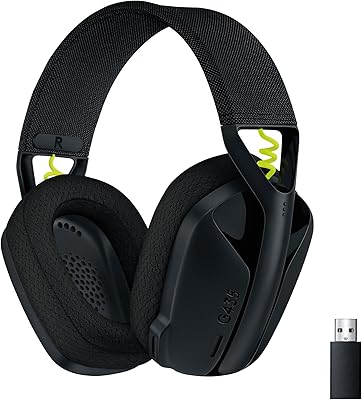
A bigger budget opens up wireless models and better microphones. These are the choices that matter most.
Wired, 2.4 GHz wireless or Bluetooth
Wired headsets have no battery and no wireless delay. A 2.4 GHz wireless headset uses a USB dongle designed for gaming and keeps delay low. Bluetooth is handy for phones and tablets, but it can add delay and is usually a weaker choice for fast games. Check which dongle works with which platform, since PC, PlayStation and Switch support varies by model.
Battery life and charging
Read the maker's stated battery life and how it charges. A headset you can keep using while it charges, or one with a quick top-up charge, is easier to live with.
Microphone quality
Headset microphones are good enough for voice chat. Look for a boom that moves out of the way or detaches, a clear mute indicator, and reviews that include recordings of the microphone. For streaming or recording, a separate USB microphone usually sounds better.
Sound and software
Many headsets come with software for equalizer presets. A flatter sound makes footsteps and voices easier to place than heavy bass. Virtual surround is software processing, so try it on and off in the games you play and keep whichever sounds clearer to you.
Headset, or headphones plus a microphone?
A pair of regular headphones with a separate microphone often sounds better than a gaming headset at the same total price, and you can upgrade each part separately. A headset is simpler, lighter on desk space and a single thing to carry, which is why most people choose one.
Comfort is the final test
Check earcup size, padding and weight, and whether the headband presses on the top of your head. Buy where returns are easy, because you will not know if it fits until you have worn it for an evening.
We pick products from published reviews and say plainly when we have not tested them. You can read how we choose in About SteelGames.